
Veterans in Truck Driving: How Service Leads to CDL Success
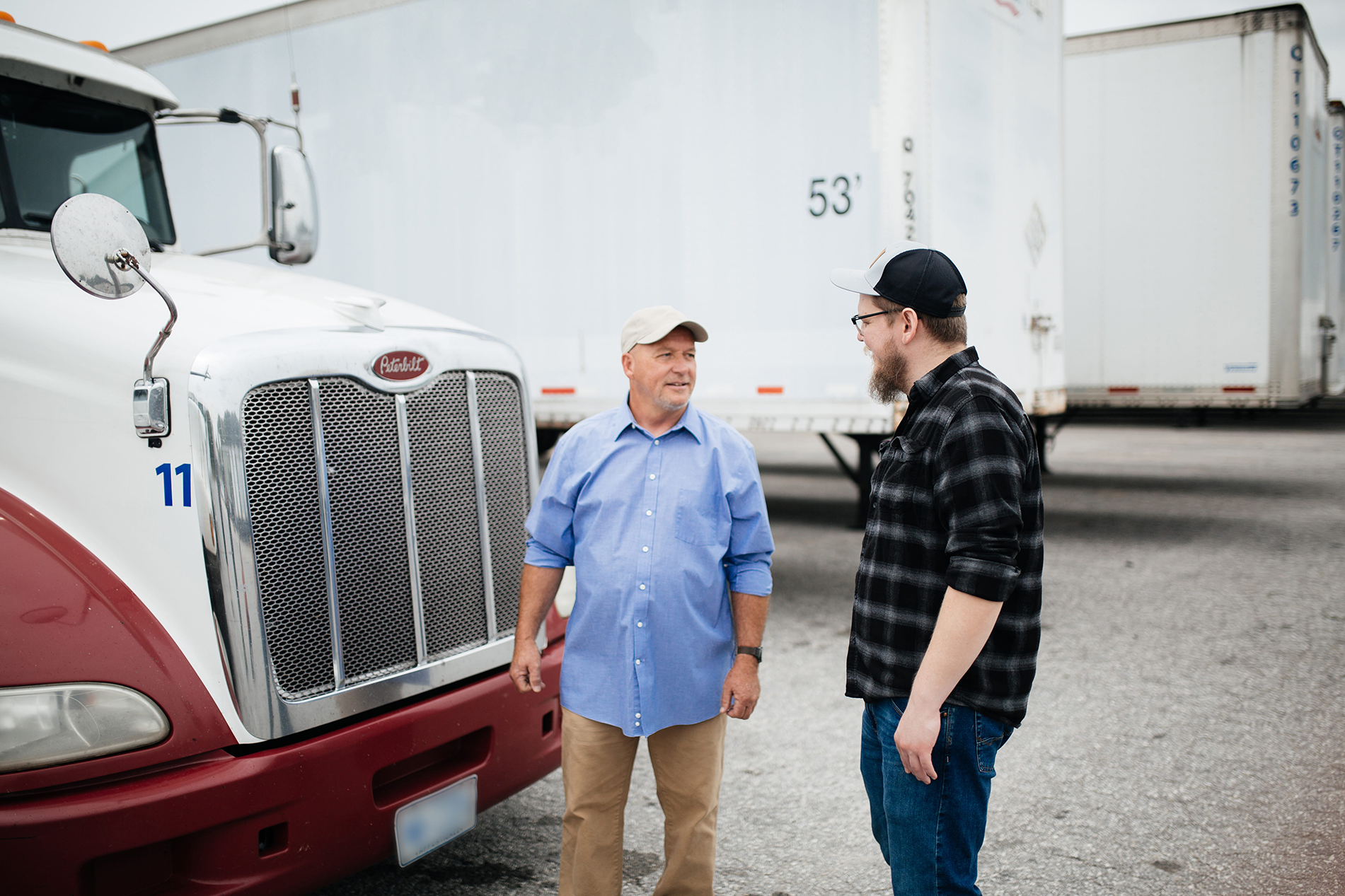
The transition from military service to civilian life is uncharted territory for many veterans. Rotating back into civilian life after years in the military offers many opportunities: veterans have developed skills, maturity, and responsibility.
It is a time full of questions, and maybe the biggest one is “What am I going to do with the rest of my life?”
For many veterans, truck driving is a natural fit for a post-military career. The skills, temperament, and attitudes that make a good truck driver are often found in veterans, making them good candidates for trucking.
Military skills align with truck driving
Veterans bring a skill set that matches perfectly with trucking demands.
- Communication skills can help drivers coordinate effectively with dispatchers, suppliers, and family members.
- Military service enables veterans to stay calm during unexpected situations and make sound decisions both on duty and off.
- Leadership experience and teamwork abilities prove invaluable on the road.
- Vets’ attention to detail serves drivers well during pre-trip inspections and when handling challenging road conditions.
Discipline, focus, and safety are truck driving skills
Self-discipline is a cornerstone of military training, and this quality transfers directly to managing irregular schedules and maintaining focus during long drives. Veterans often approach unexpected obstacles with the right attitude and manage their schedules effectively.
Safety consciousness becomes ingrained through military experience. In trucking, where safe operation and maintenance practices help ensure the truck arrives at its destination on time, having a safety-first attitude helps keep everyone on the road safe.
Experience with heavy vehicles
Veterans with experience operating heavy equipment and military trucks already have many of the practical skills necessary to transition to commercial driving.
Many service members spend time behind the wheel of larger military vehicles. Most of the skills required to operate those vehicles apply directly to semi-trucks.
As a result, veterans can often receive fast-tracked CDL training. These programs allow veterans to obtain CDL test exemptions, helping them get a CDL faster and at a lower cost.
- Military Skills Test Waiver: Drivers with two years of experience operating heavy military vehicles can get a CDL without taking the driving portion of the CDL exam.
- Even Exchange Program: Veterans can be exempt from the knowledge test if they are currently licensed or were employed within the past year in a position requiring the operation of military motor vehicle equipment.
Transportation companies want veterans
The trucking industry’s driver shortage creates opportunities for veterans looking for a new career. The sense of continued national service resonates deeply with veterans who want to keep supporting America in a meaningful way.
The Federal Motor Carrier Safety Administration (FMCSA) not only supports service members considering truck driving as a post-service career, they actively recruit veterans.
The industry has created multiple pathways to make the transition smoother. The GI Bill covers CDL training costs. These programs recognize the value of military driving experience and help vets apply it directly to commercial driving.
Veteran-friendly fleets and employers
Some carriers actively seek out veteran drivers because they understand the value you bring. These companies often provide military-themed equipment, specialized recruiting teams, and veteran resource groups that create familiar workplace environments.
Mentorship and peer support programs
Veterans who participate in peer support programs report lower levels of isolation and are more willing to seek help when needed. Fellow veterans leading these support groups understand the unique challenges of military transition and provide practical advice about civilian workplace culture.
This peer connection serves as a protective factor against common transition challenges while reinforcing your professional development in the trucking field.
Conclusion
Trucking offers you the chance to build on your military training while gaining the independence and financial stability you’re seeking in civilian life.
Your next career move can combine the skills you’ve developed with the freedom to shape your professional future.
TransTech understands the unique value veterans bring to trucking and stands ready to help you make this career transition successfully, supporting you every mile of the way toward your new profession.
Get more information on how TransTech can help veterans kick off CDL training.
FAQs
What percentage of truck drivers are veterans?
According to the US Census Bureau, approximately 10% of truck drivers are veterans. This significant representation creates a familiar sense of camaraderie on the road for former service members entering the industry.
Does TransTech offer veterans’ benefits?
Yes. TransTech proudly offers CDL A and B training for veterans, active-duty military members, reservists, and their families. TransTech has many students from nearby military bases across North Carolina, including:
- Fort Liberty (formerly Fort Bragg)
- Marine Corps Camp Lejeune
- Air Station Elizabeth City
- 145th Airlift Wing Charlotte
- Pope Army Airfield
- North Carolina National Guard
- Air Station Cherry Point (MCAS)
- US Coast Guard Aviation Logistics Center (ALC)
- Seymour Johnson Air Force Base
What veterans’ benefits programs does TransTech accept?
TransTech accepts benefits from veterans’ programs, including:
- Montgomery GI Bill®
- Veterans Readiness and Employment
- Post-9/11 GI Bill®
- Survivors and Dependents Educational Assistance
- Selected Reserve (MGIB-SR)
- DOD Tuition Assistance Program
- Military Spouse Career Advancement Accounts (MYCAA)
In addition, TransTech’s VetStart program provides US military veterans with additional support as they obtain a CDL and begin a truck driving career.