

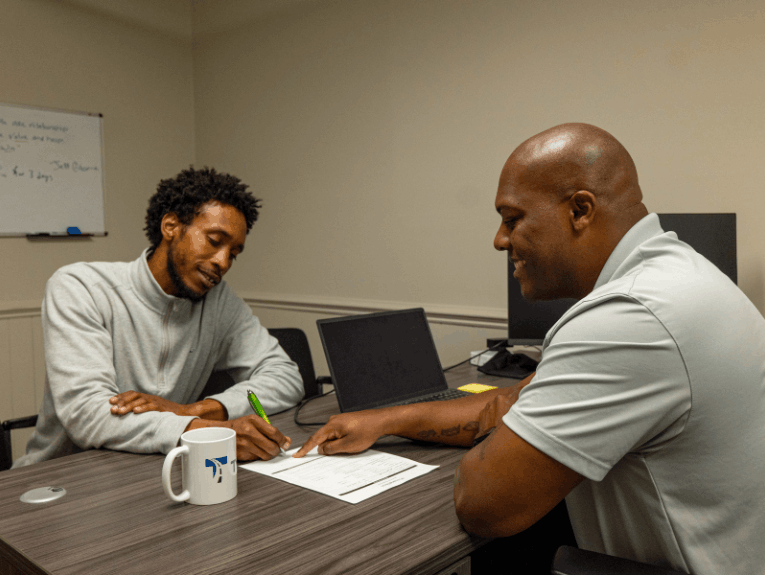
One of the biggest questions students have is how much it costs to get a CDL. In North Carolina, South Carolina, and Georgia, costs are in line with national averages.
What affects CDL training cost in NC, SC, and GA?
Training school costs represent your largest financial investment. There are a variety of factors that impact your training costs, from tuition to licensing, testing fees to medical exam costs.
CDL School Tuition
The cost to obtain a CDL ranges from $3,000 to $10,000 nationwide. This includes CDL training tuition costs, state licensing fees, DOT physical examinations, and endorsements.
Tuition represents the largest portion of CDL training. Independent CDL schools have shorter turnaround times, expert instructors, and additional start dates that help you get a CDL faster and be ready to apply for jobs sooner.
In North Carolina, South Carolina, and Georgia, some community colleges offer CDL training. While they have competitive rates that are often cheaper than a CDL training school, community colleges often have fewer class starts and longer waiting lists. Students may have to wait months to get in the door to even begin their CDL program.
State Licensing Fees
States also charge fees to get you licensed. Fees cover administrative costs, testing expenses, and other costs. State licensing fees vary state to state, so some of these costs are different in North Carolina, South Carolina, and Georgia as well.
| State | Fee | Cost |
| North Carolina | Application Fee | $51.50 |
| Commercial Learner’s Permit | $25.50 | |
| Commercial Class A, B, or C | $25.50 | |
| Endorsements | $5 each | |
| South Carolina | Application Fee | $15 |
| Commercial Learner’s Permit | $2.50 | |
| Knowledge Tests | $2 | |
| License Fee Update | $12.50 | |
| Georgia | Application Fee | $35 |
| CDL License Fee | $32 | |
| Commercial Learner’s Permit | $10 | |
| CDL Road Skills Test | $50 | |
| Endorsements | $5 each |
The Hazmat endorsement requires an additional TSA background check costing $85.25.
DOT Physical Examination Costs
The DOT exam is a requirement to earn your commercial license. The DOT physical adds between $75 and $150 (or more) to your bill depending on your location and provider. You may be able to find low-cost clinics that charge $60 to $90, but note the exam can only be completed by an examiner listed on the FMCSA’s National Registry of Certified Medical Examiners.
At TransTech, your DOT physical is included in your tuition.
What are the Best Ways to Reduce your CDL Costs?
While these costs must be paid before you can get your CDL, there are many ways you can reduce the costs of your CDL training. By making smart choices and asking questions at each stage of the application process, you can save yourself a lot of money.
Choose an Affordable Training Program
Community colleges offer tuition that runs lower than private schools by a lot, but you should compare total program costs including books, permits and fees in addition to tuition when you evaluate schools. Community colleges may also have other requirements that make them a less-attractive alternative.
Avoiding Exam Retake Fees
Failed CDL tests also cost you time and money. Retakes may cost you money and time: you may have to pay additional test fees, and you may be delayed if you fail your skills test multiple times.
Study well and practice as much as you can before testing. A good training program provides structured learning and practical experience that increases your pass rate on the first attempt.
How Can you Pay for CDL Training in NC, SC, and GA?
Multiple financing pathways exist to reduce or eliminate your upfront CDL training cost. Many students are surprised to learn that they can lower out-of-pocket costs significantly. You can consult an admissions representative to learn if you qualify for tuition assistance opportunities.
Payment Plans and Financing
Many schools offer monthly payment plans or can help you secure loans to help make the cost of CDL training more affordable. Schools may offer deferred payment options with no payments for a set time. Contact your school to get details.
Tuition Reimbursement Options
Some carriers offer up to 100% tuition reimbursement after you’re hired. Tuition assistance varies by employer. Many carriers have hiring relationships with CDL schools, and they may offer reimbursement for the school’s graduates.
Company-Sponsored CDL Training Programs
Company-sponsored training requires no out-of-pocket costs. You usually commit to working for the sponsoring carrier after graduation for a set time.
WIOA and State Workforce Development Grants
The Workforce Innovation and Opportunity Act helps job seekers access employment and training services. WIOA is a federal grant program administered through state workforce agencies in NC, SC, and GA. You don’t repay these funds. Eligibility applies if you are unemployed or underemployed. Contact your state’s workforce development office or let TransTech’s admissions team guide you through the application process.
Conclusion
Getting your CDL in NC, SC, or GA is a manageable investment when you understand your options. Open communication with your CDL school is key to learning exactly what you’ll pay, which options you have available to you, and picking up strategies for reducing costs. Speak with an admissions representative to learn your financial options. Fill out the form or call us at (844) 633-9308.
FAQs
Does Class A CDL training cost more than Class B?
Class A programs generally cost more than Class B CDL training. The price difference reflects the additional training time and complexity of Class A commercial vehicles.
Are there ways to reduce or eliminate upfront CDL training costs?
Yes, there are many options that can significantly reduce your upfront costs. Funding opportunities including tuition assistance, reimbursement programs, and WIOA workforce development grants can further reduce your costs.
What additional costs should I budget for after getting my CDL?
Plan for ongoing expenses like license renewals, medical certificate updates every two years, and potential additional endorsements.
Hazmat, tanker, and doubles/triples endorsements can increase your earning potential but require additional testing fees. You’ll also need to maintain a clean driving record; you may face costs for traffic violations or required safety training. Budget approximately $200-$500 annually for these ongoing professional requirements.
Should I consider employer-sponsored training instead of paying for school myself?
Many large trucking companies offer fully funded CDL training in exchange for employment commitments, typically requiring 6-12 months of service. While this eliminates upfront costs, you’ll have less flexibility in choosing your first employer.
Some companies also offer tuition reimbursement or sign-on bonuses that can offset training costs. Compare the total compensation package, including benefits and advancement opportunities, when deciding between self-funded community college training and employer-sponsored programs.
